The most important sneaker ever made is also the most misunderstood.
The myth everyone repeats
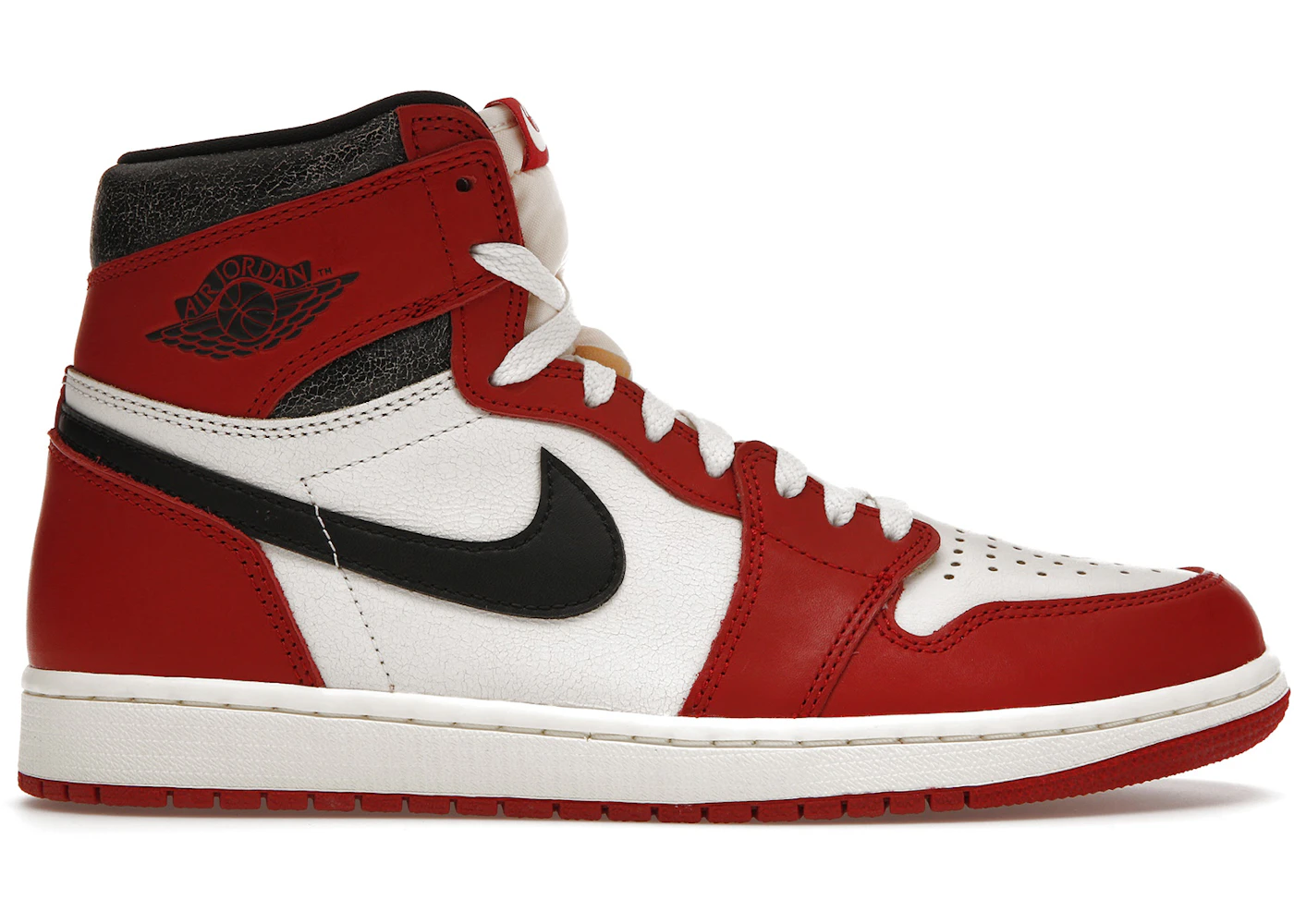
The story goes that the NBA banned the black-and-red Air Jordan 1 in 1985 and fined Michael Jordan $5,000 every time he wore it. The truth is messier — and better. Sneaker historians point out that the shoe the league actually objected to was the Nike Air Ship, a different model MJ wore as a rookie before his signature shoe existed. But Nike's marketing team understood something nobody else did yet: a letter from the league office is an advertisement you can't buy. They ran commercials announcing that the NBA had "banned" the shoe — and that Nike would pay the fines. Sixty-five dollars at retail in 1985, and it sold like contraband.
What the 1 actually changed
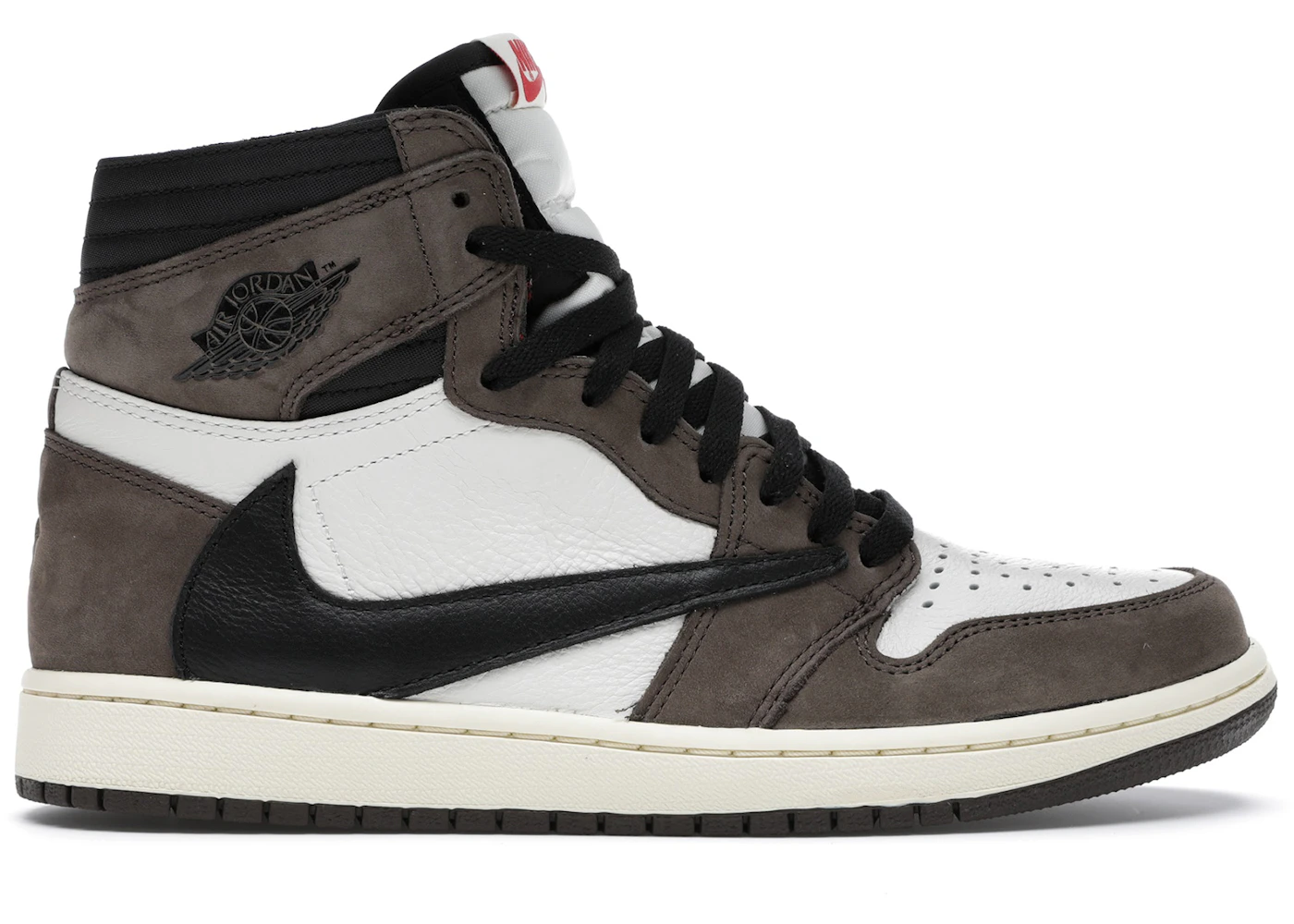
Designed by Peter Moore, the Air Jordan 1 was the first signature basketball shoe that mattered to people who never played basketball. Chicago. Royal. Shadow. The 1985 colorways became a collector's alphabet, and the silhouette became the default canvas for the entire custom-sneaker movement — half the pairs battling on The Heat Chart right now started life as a 1.
The stockroom fairy tale
In November 2022, Jordan Brand released the 'Lost & Found' Chicago (DZ5485-612) — and instead of just retro-ing the colorway, they retro-ed the feeling. The shoe shipped with cracked-leather aging, a distressed box, and a vintage-style receipt, designed to recreate the fantasy every collector shares: finding a deadstock '85 pair forgotten in the stockroom of an old mom-and-pop shop. It was the rare big-brand release that understood its own legend.
Why it matters on the chart
Every customizer who paints a 1 is painting on top of this story. Check the live market number on its catalog page, then go see what the culture's artists have built on the silhouette. And if you think you knew all of this already — the Culture IQ game will be the judge of that.